Understanding Florida Hurricane Damage: A Comprehensive Analysis
Florida has long been a battleground for the fury of hurricanes, with its tropical climate making it particularly susceptible to these natural disasters. Each year, Florida residents brace themselves as hurricane season approaches, and the potential for Florida Hurricane Damage becomes a pressing reality. The impacts of these storms extend far beyond the immediate destruction of property; they affect communities, economies, and the environment at large. In this article, we will delve into the various facets of hurricane damage, focusing on the types of hurricanes that typically strike Florida, their economic and social implications, recent trends in hurricane intensity, and strategies for assessment and recovery.
Understanding the Types of Hurricanes Affecting Florida
Hurricanes can be classified into several categories based on their wind speeds, damage potential, and the meteorological factors involved in their formation. In Florida, the predominant categories that pose threats are:
- Category 1: Wind speeds of 74-95 mph; causes minimal damage primarily to unanchored mobile homes, trees, and power outages.
- Category 2: Wind speeds of 96-110 mph; can cause extensive damage to structures, power outages, and uprooted trees.
- Category 3: Wind speeds of 111-129 mph; often results in devastating damage to homes and infrastructure, especially in coastal areas.
- Category 4: Wind speeds of 130-156 mph; can lead to catastrophic damage, leaving entire neighborhoods uninhabitable.
- Category 5: Wind speeds of 157 mph and above; causes total destruction, with some areas uninhabitable for long periods.
Florida has encountered hurricanes from each of these categories, with catastrophic effects noted from storms like Hurricane Andrew (Category 5) and Hurricane Irma (Category 4). Each storm brings unique challenges for homeowners and emergency services.
The Economic and Social Implications of Hurricane Damage
The economic implications of hurricane damage in Florida are monumental. Damage estimates can reach billions of dollars, crippling local economies and resulting in an extended recovery period. Notably:
- Insurance Costs: Homeowners often face increased premiums post-hurricane, while businesses may struggle to secure affordable coverage.
- Loss of Business Revenue: Retail and service industries can experience significant revenue loss due to prolonged power outages and infrastructure damage.
- Displacement of Residents: Families may be forced to evacuate and seek temporary housing, leading to increased demand for public services and long-term rental shortages.
- Impact on Local Employment: Construction jobs may surge in demand during recovery phases, but many individuals may lose their jobs immediately following a storm due to business shutdowns.
Socially, hurricanes can strain community coherence, as displaced residents face emotional trauma and the need for psychological support while communities mobilize for rebuilding efforts.
Recent Trends in Hurricane Intensity and Frequency
Climate change has precipitated discussions around the increasing intensity and possibly frequency of hurricanes in Florida. Research indicates that warmer ocean temperatures lead to stronger storms, resulting in greater wind speeds and precipitation levels. For example, the 2020 season was unusual, featuring more named storms and record-breaking hurricane intensity. As a response, Florida is reassessing emergency preparedness protocols, building codes, and coastal resilience strategies to mitigate the impacts of increasingly powerful hurricanes.
Assessing the Damage
Once a hurricane strikes, the focus shifts to assessing the damage to facilitate recovery efforts. Accurate damage assessment is crucial not only for immediate response but also for long-term strategies that aim to safeguard against future events.
Methods for Evaluating Florida Hurricane Damage
Damage assessment typically employs a myriad of methods, including:
- Visual Inspections: On-ground inspections by professionals to evaluate visible damage to structures.
- Drone Technology: Utilization of drones for aerial surveys allows for rapid, comprehensive damage assessments, particularly in hard-to-reach areas.
- Geographic Information Systems (GIS): GIS technologies provide detailed data on damage patterns, helping to analyze the storm's impacts over wide geographical areas.
By leveraging these technologies, emergency services can efficiently allocate resources to the most affected areas.
Common Areas of Damage in Residential and Commercial Properties
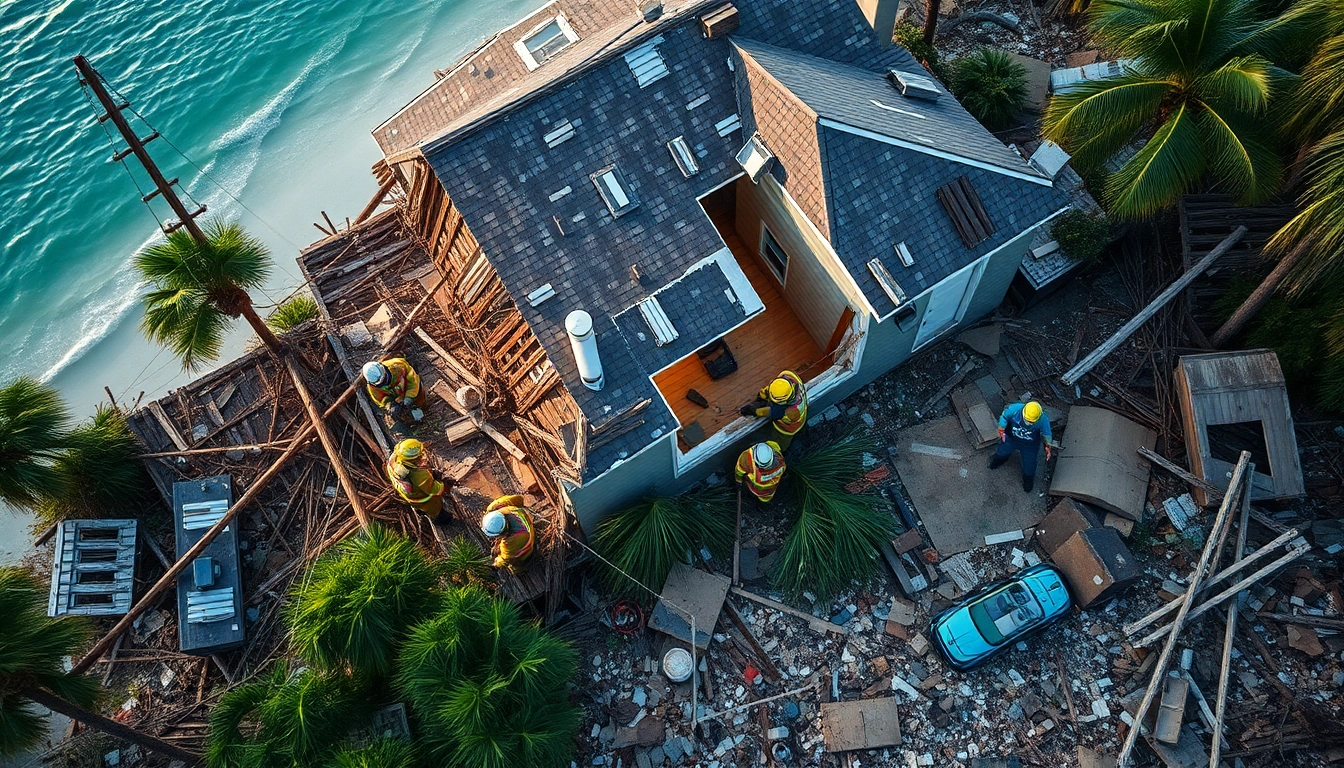
In Florida, the most common areas of damage caused by hurricanes include:
- Roofing: Loss of shingles or entire roofs, often due to high winds.
- Windows and Doors: Shattering glass; many homeowners turn to storm shutters and impact-resistant glass to mitigate this risk.
- Flooding: Properties in low-lying areas are particularly vulnerable to storm surges and heavy rainfall, leading to severe water damage.
- Vehicle Damage: Cars and trucks are often damaged from falling debris or flooding.
These damage areas underscore the need for proactive protective measures before hurricane season begins.
Emergency Services and Assessment Reports
Emergency services play a pivotal role in post-hurricane assessments. First responders are often the first to evaluate damage and coordinate rescue efforts. Their reports contribute significantly to state and federal assessments, determining how much aid is needed and where. Accurate initial evaluations not only expedite recovery funding but also help in planning future resilience measures.
Recovery Processes
The process of recovery from Florida Hurricane Damage is multi-faceted and requires a coordinated effort from government agencies, non-profits, and community organizations. Effective recovery is crucial to restoring normalcy and reinforcing future resilience.
Steps for Effective Recovery from Florida Hurricane Damage
Recovering from hurricane damage involves several critical steps:
- Immediate Response: Conducting search and rescue operations, ensuring the safety of residents, and addressing critical needs such as food and shelter.
- Damage Assessment: Engaging with professionals to document and analyze damage for insurance claims.
- Community Support: Establishing local volunteers and organizations to offer immediate assistance and emotional support.
- Long-term Planning: Developing comprehensive recovery plans that address housing, infrastructure, and economic recovery.
Effective communication and transparency throughout the recovery process foster community trust and encourage collaboration.
Insurance Claims and Financial Assistance Options
Securing financial relief is a vital aspect of recovery. Homeowners should be prepared to navigate the insurance claims process, which involves:
- Documenting all damage thoroughly with photographs.
- Understanding policy terms, including deductibles and covered losses.
- Engaging with insurance adjusters to settle claims expediently.
Additionally, there are several financial assistance options available, including state and federal grants, low-interest loans, and non-profit assistance programs designed to support hurricane recovery efforts.
Community Involvement in Rebuilding Efforts
Community engagement is essential for successful recovery and rebuilding in the aftermath of hurricanes. Local groups often mobilize to provide relief, support rebuilding efforts, and encourage community resilience through grassroots involvement. Volunteer organizations, charity drives, and local government initiatives work together to rebuild not just homes but also the social fabric of communities.
Preventive Measures and Hurricane Preparedness
To mitigate Florida Hurricane Damage, proactive measures must be taken before storm seasons arrive. Through effective preparedness and building strategies, residents can reduce damage and enhance their safety during hurricanes.
Best Practices for Safeguarding Properties Against Hurricane Damage
Home and business owners can adopt several best practices to safeguard their properties:
- Hurricane-proofing: Reinforcing roofs, securing windows with storm shutters, and improving overall structural integrity.
- Landscaping: Trim trees and bushes to minimize debris during storms and ensure proper drainage around properties.
- Investing in Insurance: Ensure comprehensive insurance that includes flood coverage, as many regular policies do not cover flood damage.
Preparation significantly increases resilience against hurricane impacts.
Building Codes and Regulations in Hurricane-prone Areas
Florida’s building codes have evolved considerably to improve storm resistance, particularly after major hurricanes. Enhanced building codes mandate rigorous standards for construction techniques and materials used in hurricane-prone areas, ensuring that new homes can withstand significant winds and flooding. Homeowners should stay informed about these regulations and ensure compliance in their building projects.
Emergency Preparedness Plans for Households and Businesses
Emergency preparedness plans are essential for both households and businesses. A well-thought-out plan includes:
- Evacuation Routes: Clearly defined routes and procedures for evacuating if necessary.
- Communication Plans: Strategies for keeping in touch with family, friends, and employees during and after a storm.
- Emergency Supplies: Maintaining stockpiles of essential supplies such as food, water, medications, and first-aid kits.
These preparations ensure swift responses and minimize chaos during hurricane events.
Long-term Impacts and Future Considerations
The impacts of Florida Hurricane Damage extend into long-term considerations regarding infrastructure, community dynamics, and environmental sustainability. As climate-related events increase, Florida must adapt to an evolving risk landscape.
The Influence of Climate Change on Florida Hurricane Damage
Climate change is altering weather patterns and exacerbating the intensity of storms. Florida, being particularly vulnerable, requires adaptive strategies to address this reality. This involves investing in climate-resilient infrastructure, adjusting land use policies, and prioritizing green spaces that can mitigate flooding.
Ongoing Research and Policy Developments
Research continues to inform policy-making in Florida. Various studies are exploring better predictive models for hurricane activity, effective recovery strategies, and sustainability initiatives. Furthermore, stakeholders are encouraged to engage with ongoing discussions about coastal management, urban planning, and community resilience, as they play a pivotal role in shaping the state’s future.
Engaging with Local Communities for Sustainable Recovery
Sustainable recovery efforts hinge on community engagement and participatory planning. Empowering residents to take part in recovery processes fosters a sense of ownership and can lead to innovative solutions tailored to local needs. Collaborative initiatives among local governments, non-profits, and residents can effectively address unique community challenges and ensure sustainable recovery from Florida Hurricane Damage.