Understanding Microalgae Astaxanthin
Microalgae astaxanthin is an extraordinary natural compound derived primarily from microalgae species such as Haematococcus pluvialis. This potent antioxidant is gaining global recognition due to its significant health benefits and applications in various industries, including dietary supplements and cosmetic products. Astaxanthin is not only essential for plant health but also plays a crucial role in human nutrition. As you delve into the world of microalgae astaxanthin, you will discover its unique properties and the various ways it can enhance health and well-being.
What is Microalgae Astaxanthin?
Astaxanthin is a carotenoid pigment that gives the reddish-pink color to many marine organisms, such as salmon, shrimp, and flamingos. Unlike beta-carotene and other carotenoids, astaxanthin is distinguished by its unique structure, which provides it with exceptional antioxidant properties. Microalgae, particularly the Haematococcus pluvialis species, produce astaxanthin in response to environmental stressors such as high light intensity, UV radiation, and nutrient deprivation. This adaptation not only protects the microalgae but also offers a powerful supplement for human health.
The Nutritional Benefits of Astaxanthin
Microalgae astaxanthin boasts numerous health benefits, which are primarily attributed to its powerful antioxidant capabilities. Some of the notable benefits include:
- Antioxidant Protection: Astaxanthin is reported to be 6000 times more effective than vitamin C in combating free radicals, which can lead to oxidative stress and chronic diseases.
- Anti-Inflammatory Effects: Clinical studies have shown that astaxanthin can help reduce inflammation, making it a potential ally in managing conditions like arthritis and joint pain.
- Eye Health: Astaxanthin may improve visual acuity and reduce fatigue associated with screen time by protecting the retina from oxidative damage.
- Skin Health: Due to its capacity to reduce UV-induced skin damage, astaxanthin is increasingly used in skincare products to promote youthful, radiant skin.
- Cardiovascular Health: Some studies indicate that astaxanthin can improve lipid profiles, thereby supporting heart health.
Key Sources and Cultivation Methods
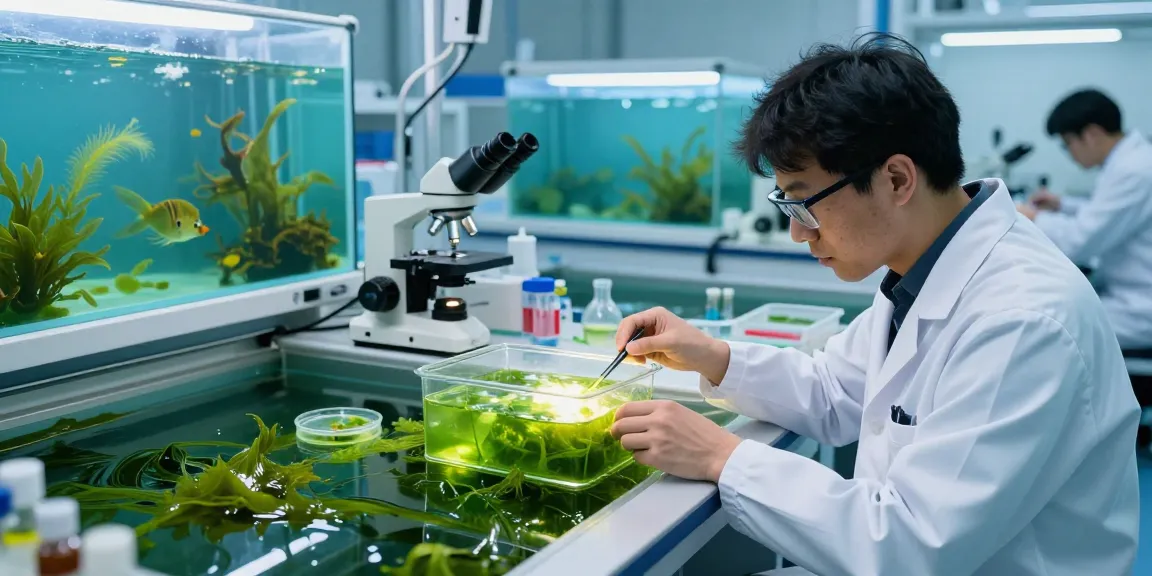
The primary source of astaxanthin is microalgae, particularly Haematococcus pluvialis. Cultivation methods for microalgae can be categorized into two main types: open pond systems and closed photobioreactors. Open ponds are cost-effective but may expose the algae to contamination and varying environmental conditions. On the other hand, closed systems offer controlled environments that minimize contamination risks but come with higher operational costs. Innovations in biotechnology are increasingly paving the way for more efficient cultivation techniques, ensuring a steady supply of high-quality astaxanthin for commercial applications.
Comparative Analysis: Microalgae Astaxanthin vs Spirulina
Nutritional Profiles and Health Benefits
Both microalgae astaxanthin and spirulina are celebrated for their health benefits, yet they differ significantly in their nutritional profiles. Spirulina, a blue-green algae, is rich in protein, vitamins, and minerals, making it a popular superfood. In contrast, microalgae astaxanthin stands out primarily due to its antioxidant properties. While spirulina offers numerous vitamins and bioactive compounds, astaxanthin's unique structure allows it to combat oxidative stress more effectively, making it an invaluable addition to dietary supplements.
Applications in Supplements and Food Products
Microalgae astaxanthin is increasingly being incorporated into various health products. It is often found in dietary supplements that target athletes for recovery, skin health products for anti-aging, and even functional foods aimed at enhancing overall well-being. Spirulina, too, enjoys a wide array of applications, particularly in health bars, drinks, and powders. As consumer preferences lean toward natural and plant-based products, the demand for both of these superfoods is expected to rise significantly.
Consumer Preferences and Market Trends
In recent years, there has been a marked increase in consumer awareness regarding health and wellness, which directly influences market trends. Many consumers are searching for natural sources of nutrition, leading to a surge in the demand for both microalgae astaxanthin and spirulina products. Personalization of supplements and products, driven by individual health goals, remains a key trend; companies that effectively cater to these preferences are likely to thrive in the competitive landscape.
Challenges in Microalgae Cultivation
Environmental Considerations and Sustainability
Despite the promising potential of microalgae cultivation, several environmental challenges persist. These include water use, nutrient management, and energy consumption during the cultivation process. Sustainable practices, such as utilizing wastewater for nutrient supply and optimizing energy input with renewable resources, are crucial for the development of an environmentally friendly microalgae industry. Researchers are actively exploring innovative solutions to enhance sustainability without compromising yield.
Common Misconceptions About Microalgae
One common misconception about microalgae is that they are equivalent to traditional algae found in bodies of water. However, microalgae are a specific group of microscopic organisms that have distinct nutritional profiles and health benefits. Another misconception is their taste; many consumers fear that microalgae may taste unpleasant. In reality, microalgae products, particularly astaxanthin supplements, often have a neutral flavor that can be easily integrated into various food products.
Technological Innovations in Cultivation Methods
Technological advancements are revolutionizing the cultivation of microalgae. From improved strains of microalgae to smart cultivation systems that monitor environmental parameters, innovation is the driving force behind increased efficiency and yields. Techniques such as genetic engineering and bioreactor optimization are set to enhance the production of astaxanthin, making it more accessible to consumers in the coming years.
Future Trends for Microalgae Astaxanthin (2026 and Beyond)
Potential for New Markets and Products
As the health and wellness market continues to grow, innovative applications for microalgae astaxanthin are expected to emerge. Beyond supplements, new formulations in food products, cosmetics, and even pharmaceuticals indicate a broadening scope of this powerful nutrient. Companies are likely to explore synergistic combinations with other superfoods, enhancing both efficacy and consumer appeal.
Research Developments in Health Benefits
Ongoing research is critical for uncovering the full spectrum of health benefits associated with microalgae astaxanthin. New clinical studies are anticipated to investigate its potential roles in disease prevention, cognitive health, and more. As evidence mounts, consumer confidence in astaxanthin as a staple in health regimens is expected to grow.
Expert Predictions for Industry Growth
Experts predict that the microalgae industry will experience significant growth in the coming years, with a projected increase in demand for astaxanthin driven by rising interest in natural health products. The convergence of fitness, beauty, and nutrition sectors will likely amplify this trend, creating a dynamic landscape for market players.
Implementation and Usage in Diet
How to Incorporate Microalgae Astaxanthin into Meals
Incorporating microalgae astaxanthin into your diet can be both simple and versatile. It is available in various forms, including capsules, powders, and oils. For those looking to enhance their meals, powdered astaxanthin can be blended into smoothies, soups, or salad dressings, providing a nutrient-rich boost without altering flavor significantly.
Recommended Dosages and Product Forms
The recommended dosage of microalgae astaxanthin typically ranges from 4 to 12 mg per day, depending on individual health needs and product formulation. It is advisable to follow the dosage instructions on the product packaging or consult a healthcare provider for personalized guidance. The effectiveness of astaxanthin is highly contingent on its bioavailability, which varies across different product forms.
Real-World Examples of Usage in Health Regimens
Many athletes have incorporated microalgae astaxanthin into their recovery regimens, reporting reduced muscle fatigue and improved endurance. Additionally, individuals seeking to enhance skin health have found success in including astaxanthin in their daily routine, often noting improved elasticity and reduced signs of aging over time. As awareness grows, more consumers will likely explore the benefits of integrating this powerful antioxidant into their diets.
What are the main health benefits of microalgae astaxanthin?
Microalgae astaxanthin is revered for its robust antioxidant properties, anti-inflammatory effects, and benefits for skin and eye health. Its role in supporting cardiovascular health and enhancing athletic performance has further solidified its position as a vital nutrient in health and wellness circles.
How does microalgae astaxanthin compare to traditional supplements?
Unlike many traditional supplements, which may offer limited benefits, microalgae astaxanthin provides a unique blend of potent antioxidants that contribute to multiple health aspects. Its superior bioavailability and efficacy make it a standout option for those seeking to enhance their health through natural means.
What are the challenges of cultivating microalgae?
Challenges in cultivating microalgae include managing environmental conditions, potential contamination, and the costs associated with large-scale production. However, technological advances are making strides towards overcoming these hurdles, creating a more sustainable future for microalgae cultivation.
What trends should we expect for microalgae in the health market?
In the coming years, trends in the microalgae health market will likely include increased consumer demand for transparency in sourcing and production, innovative product formulations, and a focus on sustainability. As research continues to unveil new benefits, astaxanthin is expected to gain further traction across health sectors.
How can I incorporate microalgae astaxanthin in my diet?
Incorporating microalgae astaxanthin into your diet can be achieved through various forms, such as dietary supplements, smoothies, or fortified foods. Aim for the recommended dosages and explore diverse culinary uses to experience its full benefits.