Understanding Custom Steel Fabrication
Overview of Custom Steel Fabrication
Custom steel fabrication is a meticulously tailored process designed to meet specific needs and requirements in various industries. It involves shaping and assembling steel components to create a multitude of products, from construction materials to art installations. This process is essential for clients seeking precision-engineered solutions that standard steel production sometimes cannot fulfill.
In its essence, custom steel fabrication merges traditional craftsmanship with advanced technology, creating products that span a wide array of applications. Key to this functionality is the integration of customer specifications into every step of the design and manufacturing process. By focusing on custom steel fabrication, providers ensure that every piece produced aligns perfectly with the intended use, whether in structural engineering, manufacturing machinery, or aesthetic design.
Importance of Steel in Modern Construction
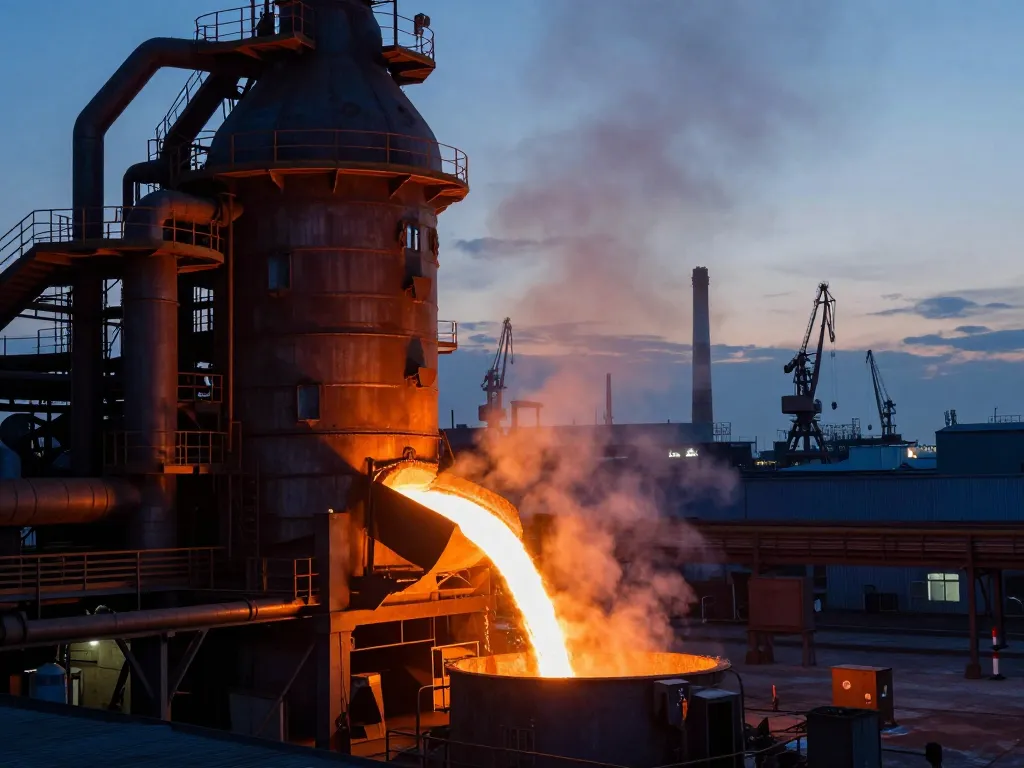
Steel has become a cornerstone material in modern construction due to its unparalleled strength, durability, and versatility. The ability to withstand extreme conditions without sacrificing structural integrity makes steel the go-to choice for builders and architects alike. Its applications range from foundational stacks in skyscrapers to intricate detailing in residential construction. Furthermore, steel's recyclability feeds into the growing demand for sustainable and eco-friendly building practices, making it not only a practical choice but also an environmentally conscious one.
Key Processes in Custom Steel Fabrication
The processes involved in custom steel fabrication can be broken down into several key stages:
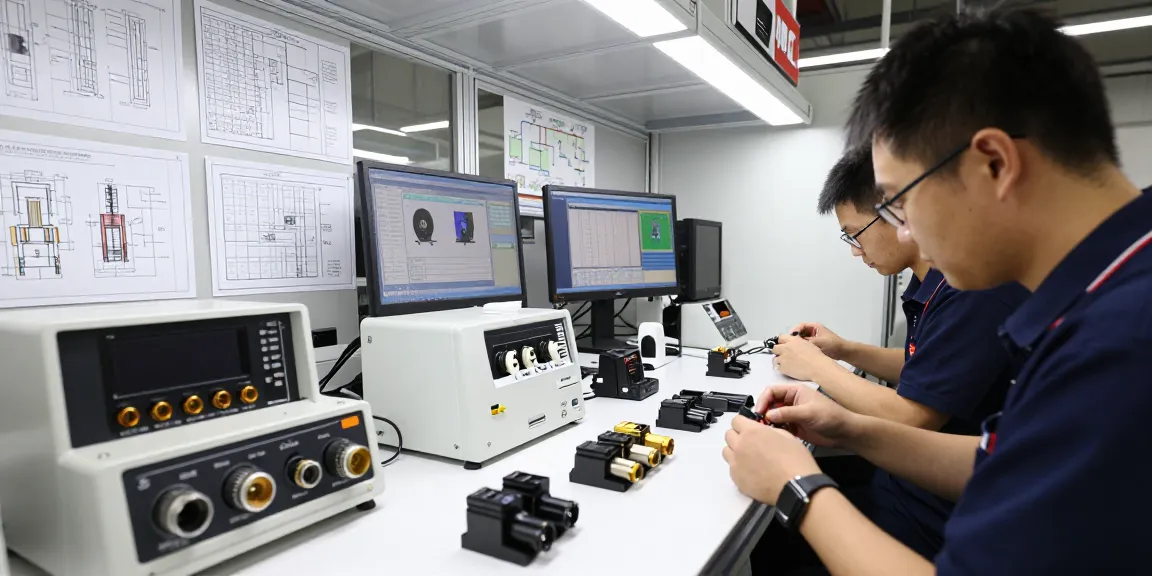
- Design and Engineering: This initial phase focuses on drafting more than just blueprints; it involves using CAD software to visualize the final product, ensuring all dimensions and tolerances meet client specifications.
- Cutting: This stage includes various cutting methods such as sawing, shearing, and laser cutting, which provide precision and efficiency in shaping steel products.
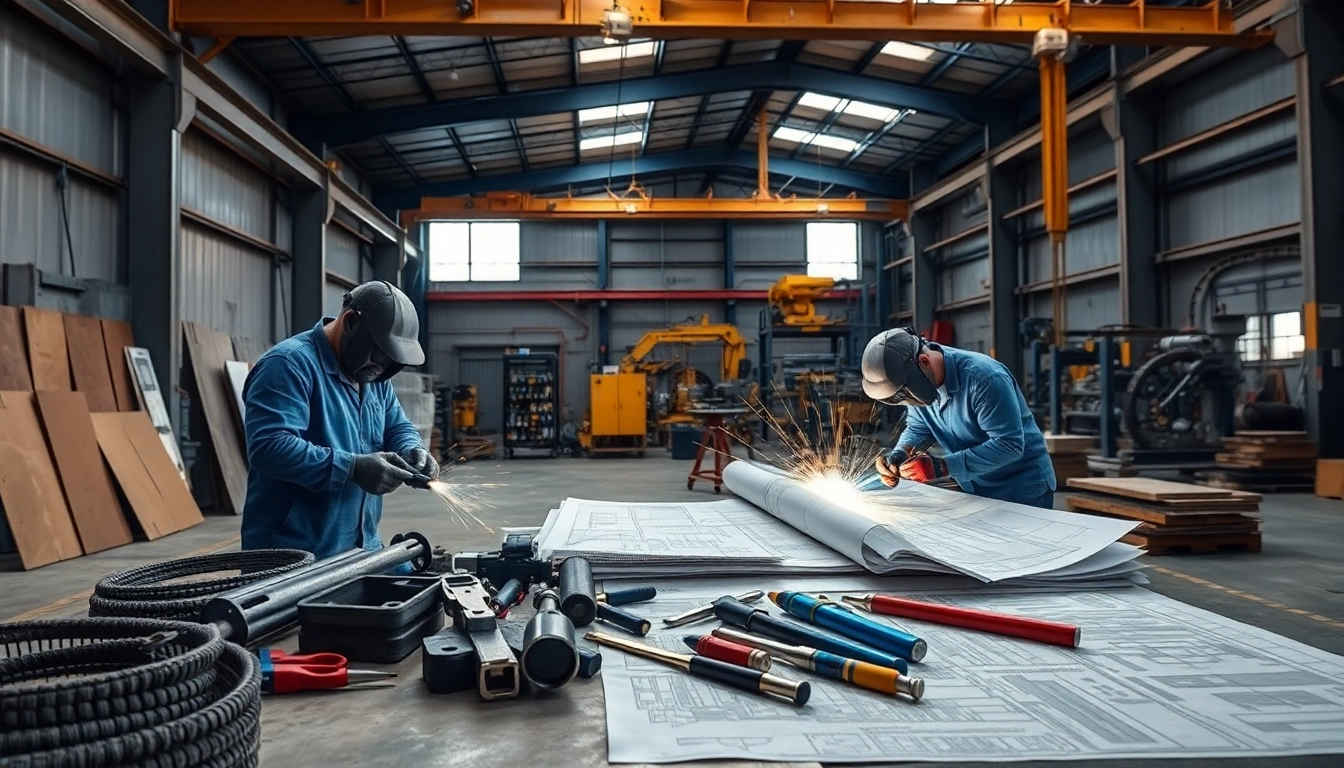
- Welding: Essential for assembling components, welding techniques vary and may include MIG, TIG, or stick welding, depending on the required strength and application.
- Finishing: This final touch may involve processes such as grinding, painting, or galvanizing to enhance corrosion resistance and aesthetics.
Benefits of Custom Steel Fabrication
Enhanced Durability and Strength
One of the foremost benefits of custom steel fabrication is the enhanced durability and strength it provides. Unlike off-the-shelf alternatives, custom solutions are engineered to meet specific load requirements and environmental conditions. This heightened level of performance ensures that products can withstand both wear and tear as well as resist impact over time. Such durability is particularly crucial in areas such as the construction of machinery, infrastructure, and heavy equipment, where the safety and longevity of components are paramount.
Cost Efficiency through Tailored Solutions
While the initial costs of custom steel fabrication might be higher than mass-produced items, the long-term cost efficiency often outweighs these initial investments. Custom solutions minimize waste, as materials are cut and shaped precisely to match the specifications, allowing businesses to maximize their budget effectively. Furthermore, manufacturers can predict overhead costs better when working with customized solutions, making financial planning easier and more accurate.
Customization Options for Unique Projects
Custom steel fabrication allows for exceptional flexibility and personalization, catering to one-of-a-kind projects that standard fabrication cannot accommodate. Customers often find themselves needing unique shapes, sizes, or finishes for their steel components, and custom fabrication facilities excel in delivering these bespoke solutions. This adaptability opens up numerous opportunities for innovation in design, fostering creativity in sectors ranging from construction to artistic installations.
Common Techniques Used in Custom Steel Fabrication
Welding Methods Explained
Welding is a critical step in the custom steel fabrication process, binding various steel components into a singular, robust structure. Here are some of the most commonly employed welding methods:
- MIG Welding: Metal Inert Gas welding utilizes a continuous wire feed as an electrode, alongside an inert shielding gas to protect the weld from contaminants. This method is known for its speed and versatility, making it suitable for various steel types.
- TIG Welding: Tungsten Inert Gas welding employs a non-consumable tungsten electrode and is often used when high precision is required. It is particularly advantageous for thin materials or when welding aluminum.
- Stick Welding: Also known as Shielded Metal Arc Welding (SMAW), stick welding uses a consumable electrode coated in flux. While it may be the simplest of the welding techniques, it can still create very strong welds, especially in heavy-duty applications.
Cutting Techniques and Tools
Effective cutting is fundamental to custom steel fabrication. Various techniques and tools are employed to achieve the needed precision:
- Plasma Cutting: This technique utilizes a high-velocity jet of ionized gas to melt and blow away metal, allowing for intricate designs and shapes.
- Laser Cutting: High-powered lasers provide precision cutting with minimal material waste, making them ideal for projects that require intricate details and fine tolerances.
- Water Jet Cutting: This method uses a high-pressure jet of water mixed with abrasives to cut through materials, suitable for very thick steel pieces and materials sensitive to heat.
Finishing Processes for Steel Products
The finishing process is as crucial as the preceding steps, ensuring the final product meets both functional and aesthetic standards. Common finishing processes include:
- Grinding: This process is employed to achieve smooth surfaces or precise dimensions, particularly on welded joints.
- Painting: Protective coatings help prevent rust and corrosion while also enhancing visual appeal. Powder coating has gained popularity due to its durability and range of colors.
- Galvanization: This treatment involves coating steel with zinc to prevent rust. It’s particularly beneficial for outdoor structures and machinery exposed to moisture.
Applications of Custom Steel Fabrication
Industrial Applications
Custom steel fabrication stands at the core of numerous industries. In the manufacturing sector, fabricated steel parts are essential for machinery, assembly lines, and operational infrastructure. From conveyor systems to heavy-duty industrial carts, each component's custom fabrication ensures resilience under stress and loading, tailored exactly for its intended function.
Architectural Uses and Structuring
The architectural world has embraced custom steel fabrication, particularly in modern buildings that emphasize aesthetic and structural integrity. Steel's versatility allows architects and designers to create striking features such as staircases, railings, and canopies that reflect modern design principles while maintaining safety and functionality. Custom solutions enable the incorporation of unique designs, which can serve as focal points in any construction project.
Custom Fabrication in Art and Design
The artistic realm has also found a home in custom steel fabrication. Artists use fabricated steel to create sculptures or installations that challenge viewers’ perceptions of space and material. The strength and malleability of steel allow for expansive visionary art pieces that can stand in public spaces, galleries, or private collections. Moreover, custom fabricators work closely with artists to ensure that their creative vision is realized, translating ideas from sketches to tangible forms.
Choosing the Right Custom Steel Fabrication Partner
Evaluating Experience and Expertise
When selecting a partner for custom steel fabrication, it is crucial to evaluate their experience and expertise. Companies with a solid portfolio and extensive knowledge across various industries bring invaluable perspectives to the project. Investigating previous work and client testimonials can provide insight into their capabilities and reliability.
Understanding Material Options and Quality Standards
Custom steel fabrication entails various material options, each with its own sets of properties, advantages, and limitations. A competent fabricator will offer insights into selecting the right material based on the intended application, environment, and project budget. Moreover, understanding the quality standards followed throughout the fabrication process can significantly affect the overall outcome.
Asking the Right Questions for Your Project
Engaging with potential fabrication partners requires strategic questioning to ensure all bases are covered. Key queries might include:
- What types of materials and techniques do you specialize in?
- Can you provide examples of previous projects similar to mine?
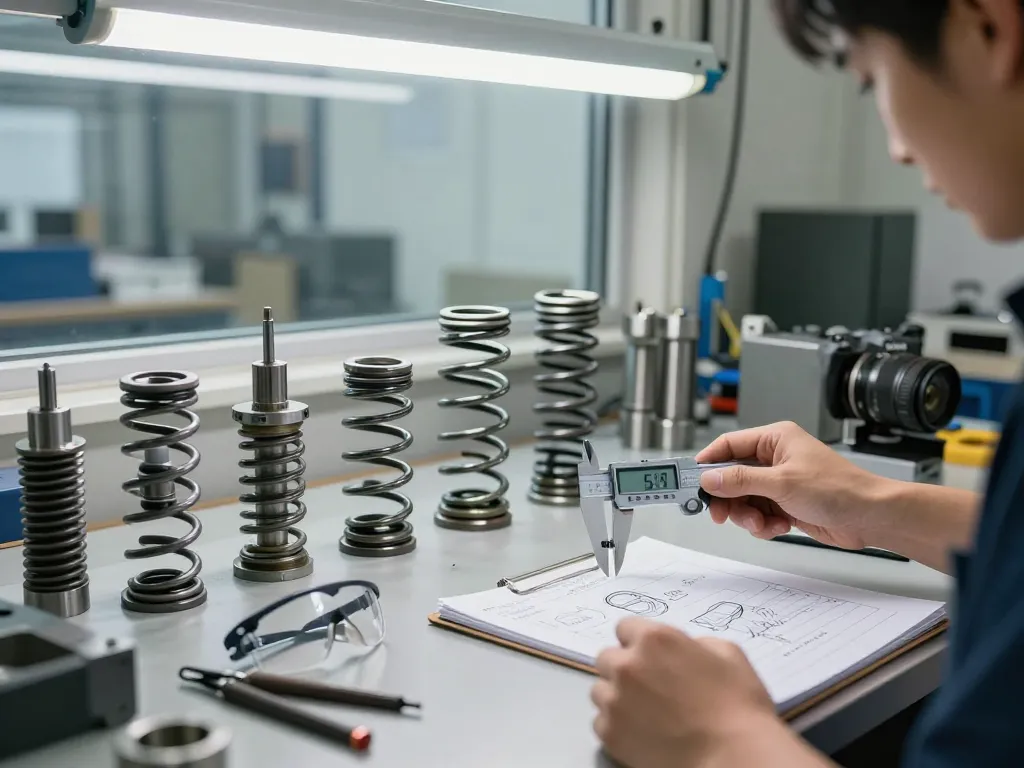
- What is your approach to quality control and assurance?
- What are your lead times, and how do you handle project timelines?
- Do you offer post-fabrication services such as installation or maintenance?
Making informed decisions when selecting a partner for custom steel fabrication can lead to successful and satisfying project outcomes, ensuring that the final products meet or exceed expectations.