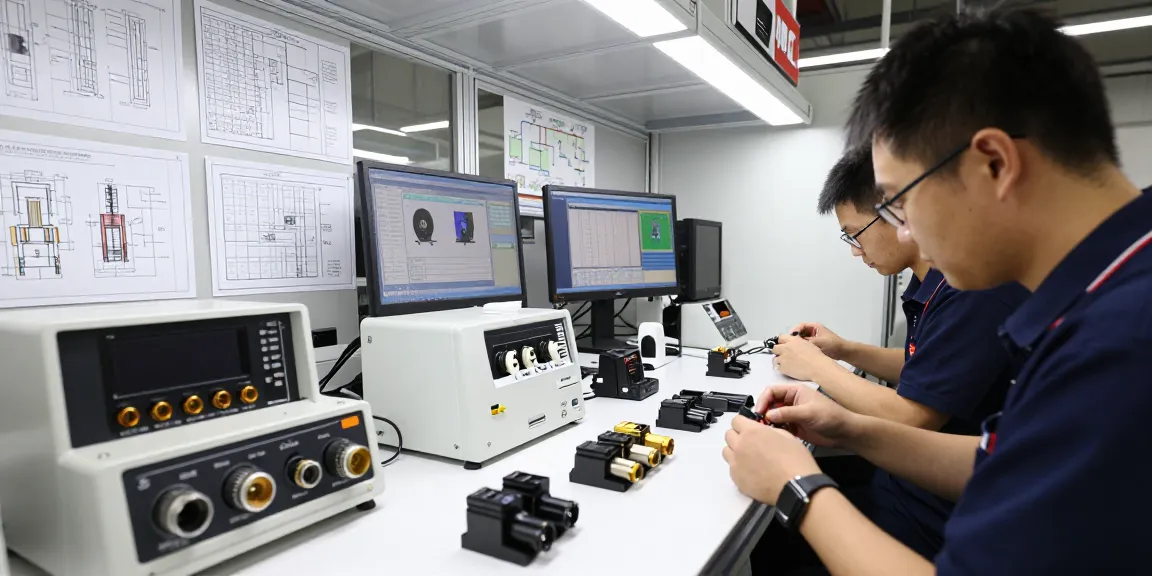
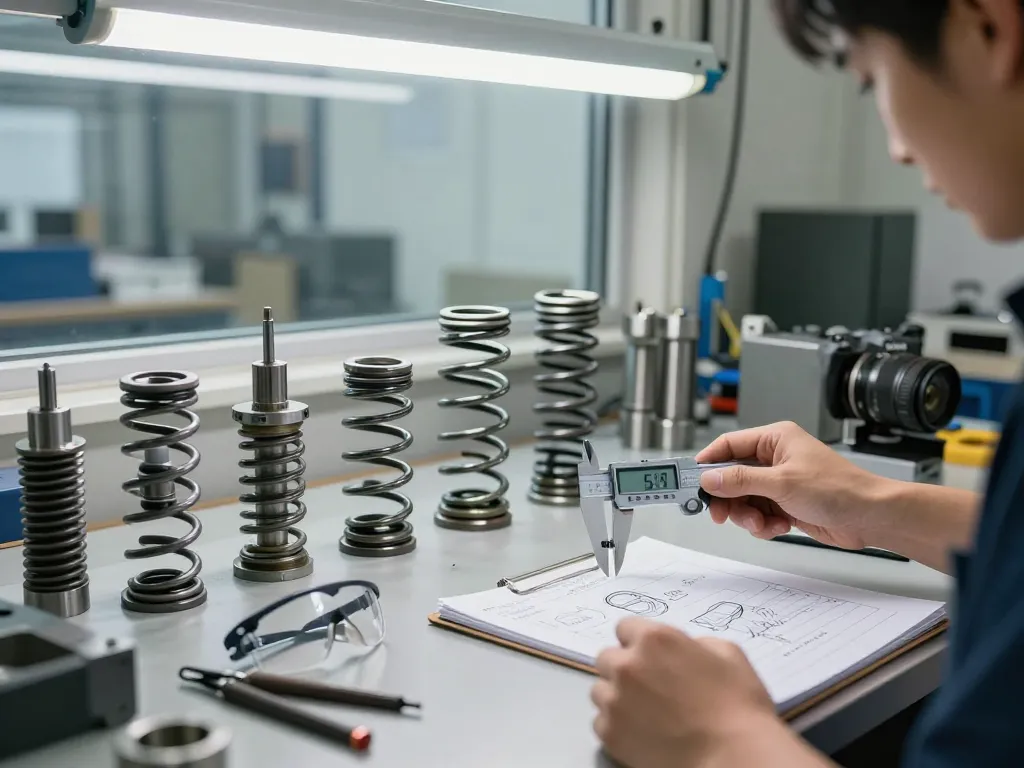
Understanding GRP Grating
Glass Reinforced Plastic (GRP) grating is a versatile material widely used in construction and industrial applications. This composite material blends glass fibers with resin, resulting in a strong yet lightweight alternative to traditional metal grating. The effectiveness of GRP grating has increased its popularity across various sectors due to its many advantages. Engaging a reliable GRP Grating Supplier can make a significant difference in the success of your project.
Benefits of GRP Grating Over Traditional Materials
GRP grating offers several advantages when compared to traditional materials like steel or aluminum:
- Weight: GRP grating is considerably lighter than metal options, making it easier to transport and install.
- Corrosion Resistance: Unlike steel, GRP does not corrode when exposed to moisture and chemicals, thus extending its lifespan.
- Design Flexibility: GRP can be molded into various shapes and sizes, allowing greater customization for specific applications.
- Low Maintenance: Its durable nature means less frequent replacement and minimal upkeep.
- Safety Features: GRP grating has non-slip surfaces, making it safer for high-traffic areas.
Applications of GRP Grating in Various Industries
GRP grating finds application in numerous industries, ensuring not only functionality but also enhanced safety:
- Chemical Processing: GRP is resistant to corrosive agents, making it ideal for chemical plants.
- Water Treatment: The non-corrosive nature facilitates its use in waste and potable water treatment facilities.
- Marine and Offshore: Used extensively in shipbuilding and oil platforms due to its lightweight and resistance to saltwater corrosion.
- Industrial Flooring: GRP is widely employed for walkways, platforms, and stair treads in industrial sites.
- Building and Construction: Ideal for flooring systems in construction due to its high load-bearing capacity and lightweight properties.
Types of GRP Grating Available in the Market
Several varieties of GRP grating cater to different needs. Understanding their differences can help you choose the right product:
- Molded Grating: This type is produced by molding glass fibers and resin, providing a strong, slip-resistant surface.
- Pultruded Grating: Characterized by its uniform design and high strength, suitable for applications requiring maximum load-bearing capacity.
- Phenolic Grating: Offers fire-resistant properties, making it suitable for environments where fire safety is paramount.
- Solid Top Grating: Provides a smooth, flat surface ideal for safety where spillage could be a concern.
- Open Mesh Grating: Allows for drainage, making it advantageous for areas exposed to water or liquids.
Identifying Reliable GRP Grating Suppliers
Choosing the right supplier is critical for obtaining quality GRP grating. The following factors will help you identify trustworthy suppliers.
Key Factors to Consider in a GRP Grating Supplier
Here are essential aspects to consider when selecting a GRP grating supplier:
- Experience: Look for suppliers with a proven track record in supplying GRP products. Established suppliers tend to have better reputations.
- Certifications: Suppliers that comply with industry standards (like ASTM or ISO) ensure you receive quality products.
- Product Range: A supplier offering a wide variety of products can better meet your specific needs.
- Customer Service: Consider suppliers known for their excellent customer support to efficiently address your queries and issues.
Evaluating Supplier Credentials and Certifications
Verifying a supplier's credentials can prevent costly mistakes. Here’s what to check:
- Industry Accreditation: Check if the supplier possesses relevant industry certifications that signal credibility.
- Product Testing: Confirm that the manufacturer conducts third-party testing to validate their products' strength, durability, and safety.
- Past Projects: Evaluate the supplier's portfolio for projects they have successfully completed, especially within your industry.
Importance of Customer Reviews and Case Studies
Customer feedback and documented case studies offer insights into a supplier's reliability:
- Reviews: Check online platforms for previous customer experiences.
- Case Studies: Look for detailed case studies that outline how the supplier's products resolved customer challenges.
- Return Rates: Analyze any patterns in returns or dissatisfaction that may provide insight into product quality.
How to Choose the Right GRP Grating Products
Choosing the correct GRP grating product depends on various parameters related to your specific application and requirements.
Determining Load Requirements for Your Project
Accurate assessments of load requirements can avoid potential structural failures. Key considerations include:
- Weight: Understanding the total weight each section of the grating will encounter is vital.
- Dynamic Loads: Consider how forces might change over time or due to movement, especially in industrial areas.
- Safety Factors: Always overestimate load demands to ensure a safety buffer.
Selecting the Right Dimensions and Styles
Dimensions and styles can significantly impact the functionality of your GRP grating:
- Thickness: Choose thickness based on expected loading and application type.
- Panel Size: The right size panels can facilitate easier installation and better performance.
- Styles: Consider solid vs. open mesh based on environment and performance needs, such as drainage considerations.
Understanding Chemical Resistance and Durability
Assessing the environmental factors affecting GRP products is crucial:
- Corrosion Resistance: Ensure that the resin type aligns with the chemicals encountered in the workspace.
- Thermal Expansion: Consider how temperature changes could impact material characteristics.
- Long-Term Performance: Select formulations that endure wear without significant deterioration.
Cost Considerations When Buying GRP Grating
Understanding the financial implications of purchasing GRP grating will allow for better budgeting and cost efficiency.
Budgeting for Initial Purchase and Installation
Establishing an accurate budget is fundamental:
- Direct Costs: Account for the purchase price and shipping fees from the supplier.
- Installation: Include labor costs if professional installation is required.
- Miscellaneous Costs: Don’t forget to factor in any additional materials needed for installation.
Long-Term Cost Savings with GRP Grating
GRP grating might be costlier upfront but can yield savings in the long run:
- Durability: The long lifespan reduces replacement expenses.
- Maintenance Requirements: Lower maintenance needs mean reduced ongoing costs.
- Waste Reduction: Less frequent replacements can minimize disposal expenses associated with old materials.
Comparative Pricing Among Different Suppliers
When exploring different suppliers, take note of:
- Price Variations: Gather quotes from multiple sources to identify competitive pricing.
- Hidden Fees: Inquire about installation, shipping, and other potential fees that could affect total cost.
- Quality vs. Price: Consider the balance between cost and the quality of the gratings being offered.
Frequently Asked Questions about GRP Grating
What is GRP Grating Used For?
GRP grating is used for various applications including flooring, walkways, and platforms, offering safety and durability in industrial and commercial settings.
How Durable is GRP Grating?
GRP grating is highly durable, resistant to corrosion, and can endure extreme weather conditions, making it suitable for many industrial applications.
Can GRP Grating Be Customized?
Yes, GRP grating can be customized in size, color, and shape to meet specific project needs and regulatory compliance.
Is GRP Grating Appropriate for Outdoor Use?
Absolutely! GRP grating is fully suitable for outdoor applications, as it withstands UV rays, moisture, and temperature fluctuations.
What Maintenance is Required for GRP Grating?
GRP grating requires minimal maintenance; routine cleaning is usually sufficient to remove dirt and debris, ensuring optimal performance.