Understanding the Concept of Accent Walls
Definition and Purpose
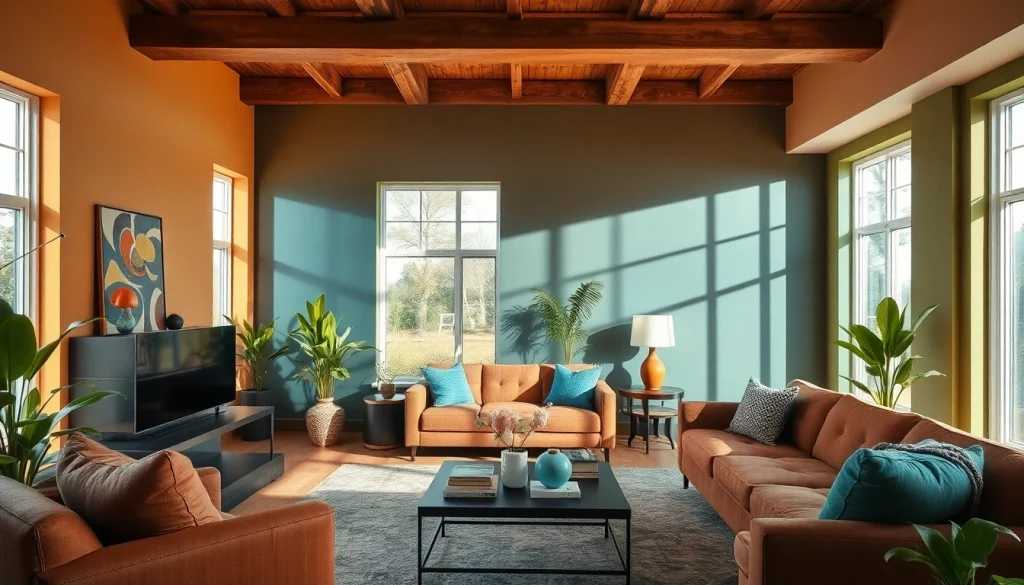
An accent wall is a single wall in a room that is painted or adorned in a different color, material, or pattern than the other walls, serving as a visual focal point. Typically, an accent wall is used to highlight architectural features or to create an aesthetically pleasing contrast that draws the eye. By strategically placing an accent wall, homeowners can manipulate space visually, making it feel larger or more intimate. Accent walls can express personality, enhance themes, and add dimension to any room.
Benefits of Accent Walls
Incorporating accent walls into your home design offers numerous benefits. Firstly, they add visual interest, making a room more inviting and engaging. They can also help define spaces within an open floor plan, ensuring each area feels distinct. Additionally, accent walls can emphasize colors and styles in your existing decor, syncing perfectly with your design vision. Finally, they are relatively easy and cost-effective projects; a single wall transformation can refresh a room without a complete remodel.
Common Material Choices
When it comes to choosing materials for accent walls, there are several options to consider. The most common materials include:
- Paint: Simple and versatile, paint allows for endless color options.
- Textiles: Fabrics can be used to create a plush, cozy feeling.
- Wood: Wooden panels or shiplap can create a rustic ambiance.
- Stone or Brick: Adding stone or exposed brick can bring an earthy, industrial feel.
- Wallpaper: Patterns, textures, and designs can add vibrancy.
Popular Styles of Accent Walls
Colorful Paint Options
Color is the most significant factor in creating impactful accent walls. Choosing bold hues like navy blue or emerald green can create a striking contrast to neutral walls. Lighter colors such as soft yellows or pale blues can add a touch of vibrancy without overwhelming the room. Additionally, the finish of the paint—matte, satin, or gloss—impacts the visual effect, with glossier finishes reflecting light and creating a dynamic look.
Textured and Patterned Finishes
Texture can add depth and intrigue to an accent wall. Techniques such as sponging, rag rolling, or stenciling can create unique patterns and effects. Textured paints or plaster allow for more dramatic, tactile finishes that captivate without visual clutter. These options make the wall a work of art and enhance the overall room sophistication.
Using Wallpaper for Accent Walls
Wallpaper has made a significant comeback in interior design, providing a myriad of patterns and textures that can completely transform a wall. From bold geometrics to soft florals, the choices are limitless. Additionally, removable wallpaper options have introduced flexibility, allowing homeowners to update their styles without long-term commitment, making it an excellent choice for accent walls.
Choosing the Right Location for Accent Walls
Identifying Focal Points
When deciding on the location for an accent wall, it is essential to identify natural focal points in a room. These can be locations such as fireplaces, headboards, or even entertainment centers. Choosing a wall that draws attention in its natural setting will enhance the overall decor and invite admiration.
Room Size Considerations
The size of the room plays a crucial role in the selection of an accent wall. In smaller spaces, choosing a wall can help create the illusion of depth and spaciousness. Conversely, in larger rooms, an accent wall can breakdown the expanse, making the environment warmer and inviting. Dark colors can make a large space feel more intimate, while light colors can open up small areas.
Balancing with Existing Decor
Consideration of existing decor elements is key to successfully integrating an accent wall. The accent wall should complement rather than compete with existing colors, furniture styles, and overall themes. Cohesion can be achieved by selecting colors that reflect or connect to elements present in the room, such as throw pillows, artwork, or furniture upholstery.
How to Create Accent Walls
Step-by-Step Painting Guide
Creating a painted accent wall is a straightforward process that can rejuvenate your space. Start by selecting the wall and color that resonates with your design vision. Prepare the wall surface by cleaning, sanding, and priming if needed. Use painter’s tape to ensure clean lines and protect adjacent areas. Apply paint with a roller for a uniform finish, using a brush for edges and corners. Allow adequate drying time and consider applying a second coat for a vibrant finish. Finally, remove the painter’s tape carefully to reveal crisp edges.
Wallpaper Application Techniques
For those opting for wallpaper, careful planning and execution are vital. Measure the wall, accounting for patterns to ensure alignment. Prepare the wall as you would for paint—smoothing out any imperfections. Apply wallpaper paste evenly and press the wallpaper onto the wall, smoothing it with a wallpaper brush or sponge to eliminate air bubbles. Trim excess paper or overlap, and allow it to dry thoroughly for the best results.
Incorporating Accessories
Once your accent wall is complete, consider integrating accessories that complement the design. Artwork, wall decals, or shelves can enhance the wall’s appearance and functionality. Use colors from the wall to inspire the accessories’ choices, creating a harmonious look that stands out. Other elements like lighting can also be introduced to highlight the accent wall, enhancing its role as a focal point.
Maintenance and Care for Accent Walls
Cleaning Tips for Different Materials
Maintenance of accent walls varies significantly depending on the materials used. Painted walls can typically be cleaned with a damp cloth and mild detergent. For textured surfaces, a soft brush can help lift dust and grime without damaging the finish. Wallpaper requires special care, as scrubbing can damage the surface; use a soft cloth with a suitable cleaner. It’s vital to follow specific care instructions for each material to maintain their beauty over time.
Repairing Damage and Touch-Ups
Over time, accent walls may experience wear and tear. For painted walls, simple touch-ups can often suffice. Keep extra paint for future touch-ups handy. For wallpaper, remove infected or damaged sections carefully, and replace them with freshly cut pieces of wallpaper, ensuring patterns align. Prompt repairs help maintain the wall’s integrity and aesthetic appeal.
Seasonal Decor Changes
Accent walls provide an excellent backdrop for seasonal decor changes. From adding festive artwork during the holidays to rotating colors with the seasons, these changes can keep the space feeling fresh and dynamic. Consider adding removable wall decals or temporary art to easily switch up the look without permanent alterations.
Frequently Asked Questions
What color works best for an accent wall?
The best color depends on your desired mood. Dark colors create intimacy; light colors expand space. Choose a hue that complements your furniture and decor.
How can I ensure my accent wall is aligned with my room’s design?
Align the accent wall color and texture with the existing decor elements. Consider using colors from accessories or furniture for cohesion.
Can I use a patterned wallpaper on an accent wall?
Absolutely! Patterned wallpaper is a popular choice for accent walls, adding visual intrigue and character to your space.
What if I want to change my accent wall later?
Accent walls are a great way to experiment with color and design. Ensure to use removable wallpaper or paints that are simple to change for future updates.
How often should I clean my accent wall?
Cleaning frequency depends on the room and usage. As a guideline, clean every few months or as needed, especially in high-traffic areas.